19. October 2026

Summer School in Italy

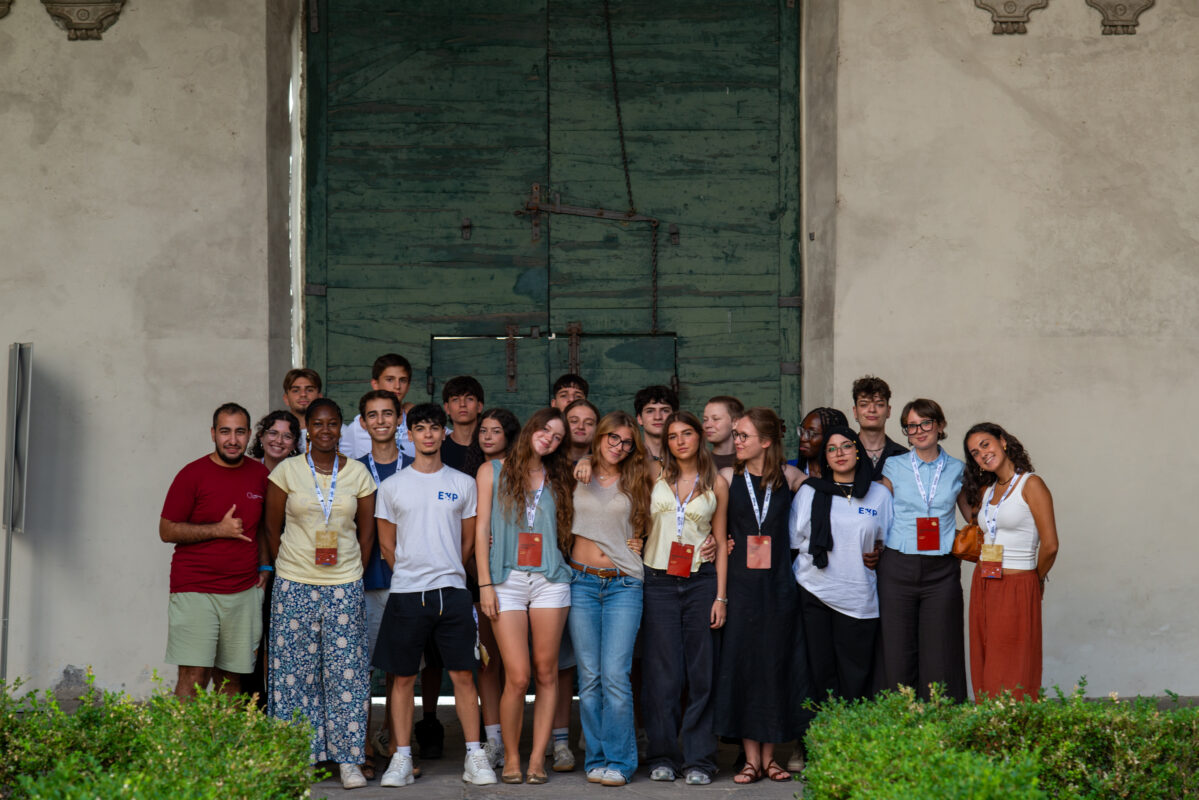
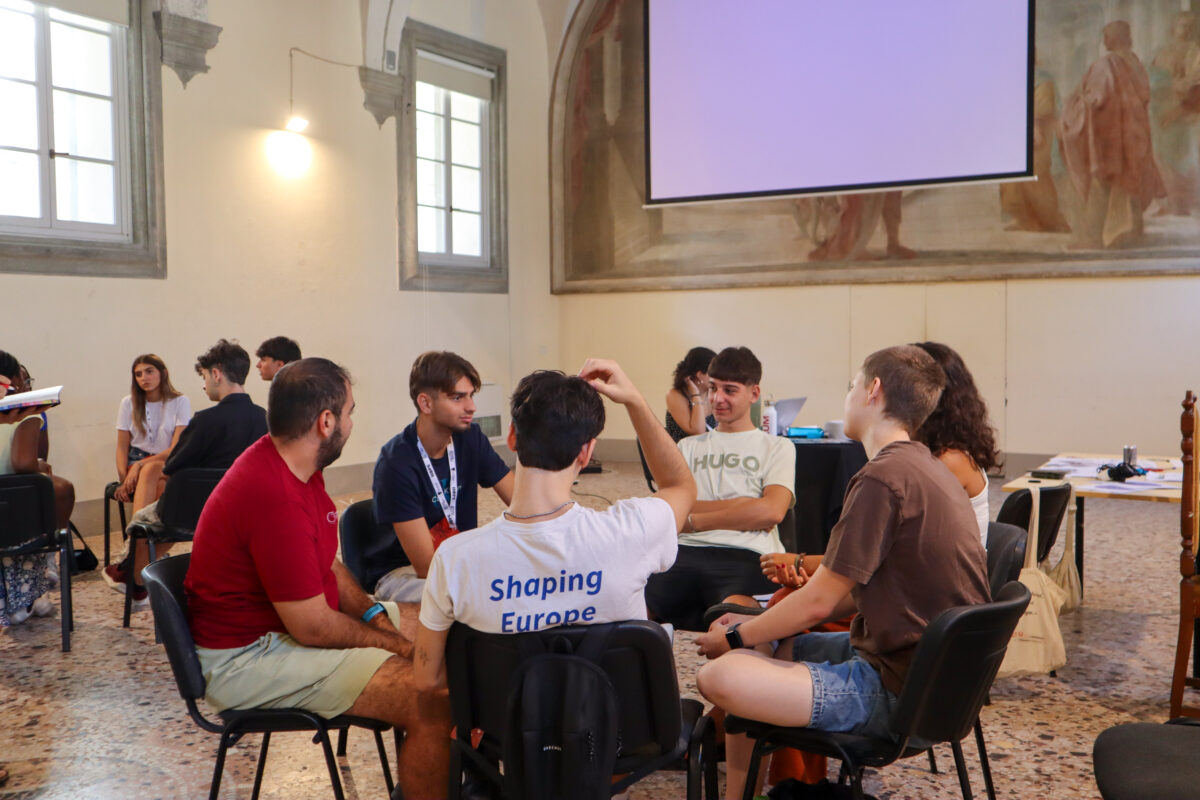
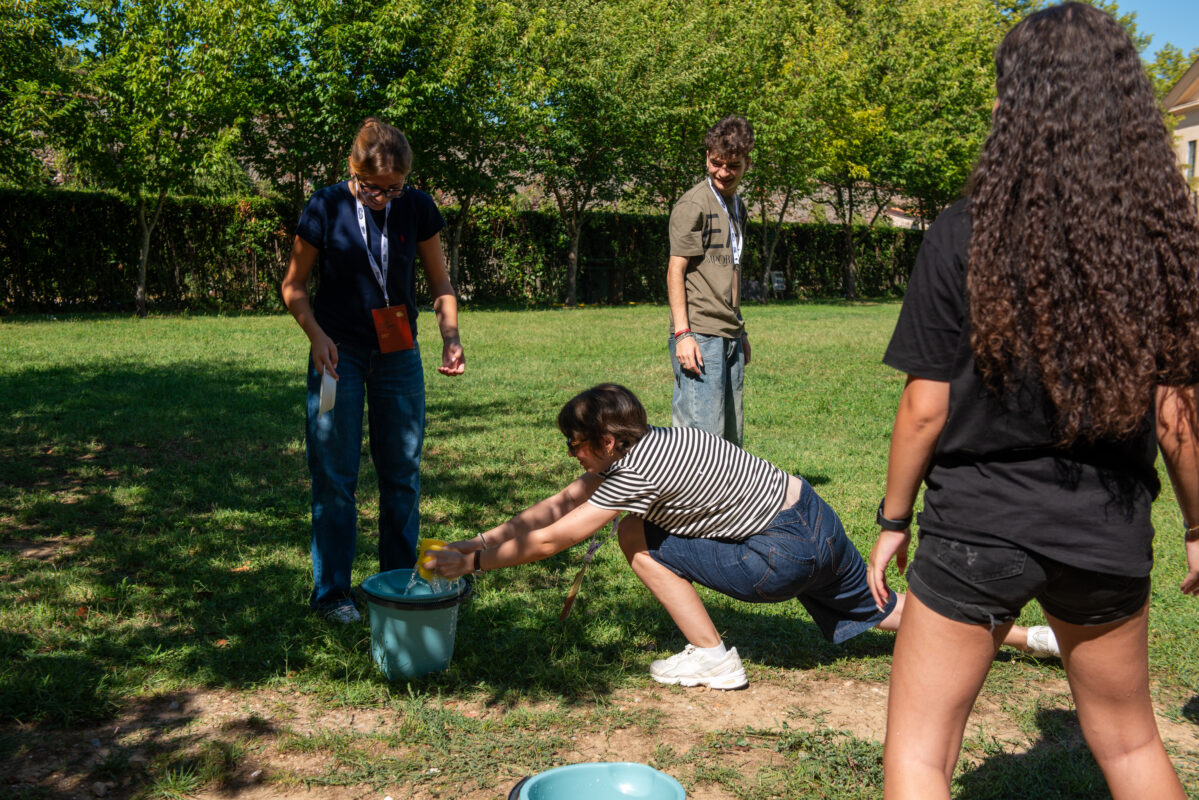
The Summer School in Italy took place in Lucca from August 24 to 27, 2026. Trainers from across Europe gathered for four days to pursue professional development and exchange ideas within an international setting.

About the programme

For this training, the peer educators chose a practice-oriented learning approach. By conducting, observing, and discussing „Crash Courses“ (CCs) under realistic conditions, participants gained a deeper understanding of how a CC functions in practice and how to implement one independently within a school setting.

The event comprised the following modules:

  • Introduction to the „Understanding Europe“ (UE) network. This included an explanation of the UE structure, its connection to the European Youth Parliament (EYP), and how to access and utilize various resources (manuals, a toolbox, digital materials, and a member platform).
    • Skills: Orientation, knowledge of the network, and independent use of resources.
  • UE principles and an introduction to „Crash Courses.“ This module covered the core methodological and pedagogical principles of UE and provided a general introduction to „Crash Courses“—with a specific focus on the CC concerning the EU. It addressed their purpose, structure, and how they integrate into UE’s work within schools.
    • Skills: Understanding UE methodology, applying core principles, and familiarity with the CC format.
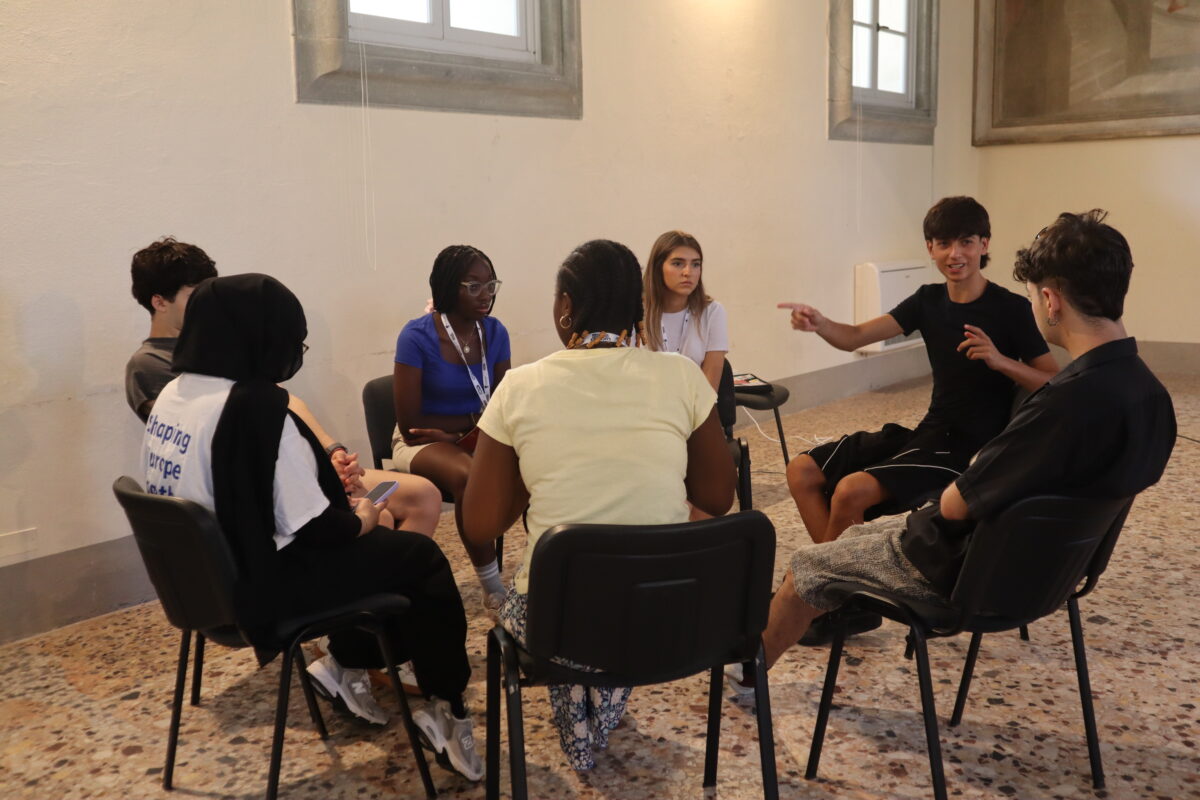
  • „Crash Course“ on the EU – structure and objectives. Participants took turns facilitating the three workshops that make up the EU-focused CC (covering history, institutions, and competencies) for the rest of the group. Each simulation was followed by a collective feedback session, allowing participants to learn both by leading the sessions themselves and by observing others.
    • Skills: Presenting to groups, facilitation, conveying content, and giving and receiving constructive feedback.
  • A module on time and energy management. Managing one’s own energy, maintaining the class’s attention, and adhering to the schedule—for instance, by controlling the pace, gauging the group’s energy levels, and flexibly adjusting the plan when necessary.
    • Skills: Time management, adaptability, sensitivity to group dynamics.
  • Facilitating controversial discussions (within a Q&A session). Participants simulated a Q&A session covering complex, sensitive topics—based on realistic scenarios where a class holds divided opinions on EU policies (e.g., migration, environmental protection, labor rights). The challenge lies in moderating the discussion and bringing it to a conclusion within the allotted time—all while remaining consistent with the principles of „UE“ (Understanding Europe).
    • Skills: Facilitation, impartiality, handling sensitive topics, decision-making under time pressure.
  • Debriefing and scenario management. How to conduct a debriefing after a session and how to respond when things do not go according to plan—techniques for managing unexpected situations, re-engaging the group, and transforming challenges into learning opportunities.
    • Skills: Problem-solving, self-reflection, adaptability, providing constructive feedback.
  • Liaising with schools and handling logistics—the organizational side of a „Crash Course“ (CC). Participants practiced drafting emails to schools, learned about the workshop booking process, explored the necessary administrative steps, and gained an overview of the entire workflow—from the initial booking by a school to the final delivery.
    • Skills: Written communication, organization, administrative management.
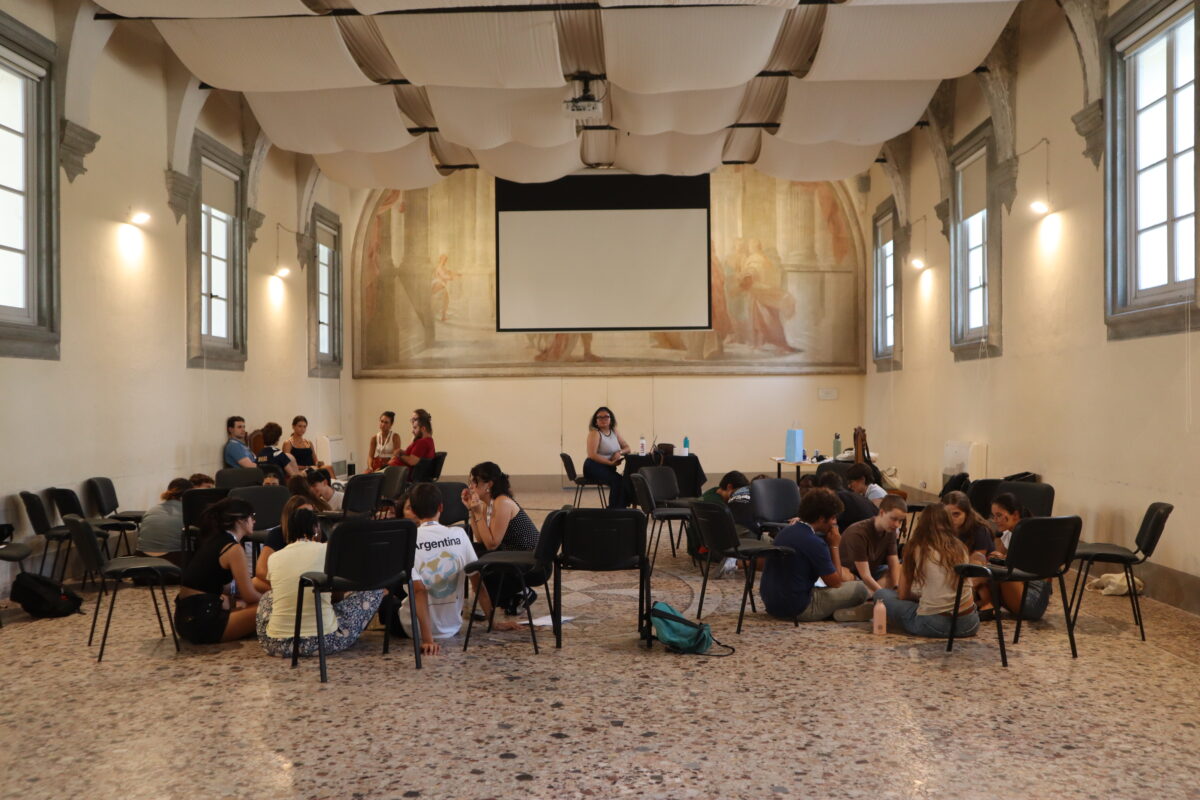
  • Lesson plans and materials for „Crash Courses.“ Working in groups of three, participants created a lesson plan for a „Crash Course“ (CC) and presented it to the rest of the group. They were also provided with an overview of all other materials required to conduct a CC, along with information on where to locate them.
    • Skills: Planning, teamwork, resource management.
  • Body language (in collaboration with the „Academic Training“ department). A joint session with the „Academic Training“ program, exploring how posture, voice, and movement influence the impression we make on others—and how these elements can be used to actively engage a group.
    • Skills: Self-awareness, non-verbal communication, presence, and poise.
  • Final simulations: „Crash Courses“ for participants from other programs.
    Participants put their knowledge into practice by conducting „Crash Courses“ for participants from other program areas, who take on the role of a school class.

    • skills: Independent facilitation, lesson design (classroom management), and the application of educational principles.