Competing Narratives in International Politics
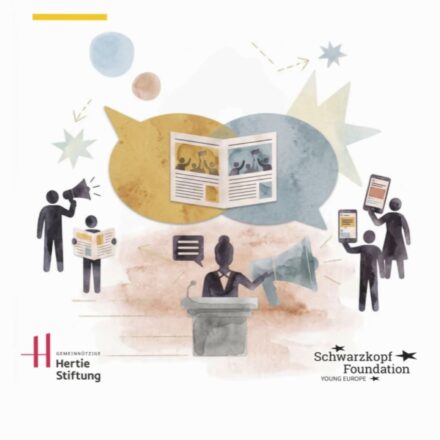
This workshop introduces participants to the role of narratives in politics and security. Through discussions, short exercises, and scenario-based group work, participants examine how different actors can interpret the same event in conflicting ways, and why some narratives gain influence while others do not.
What is this workshop about?
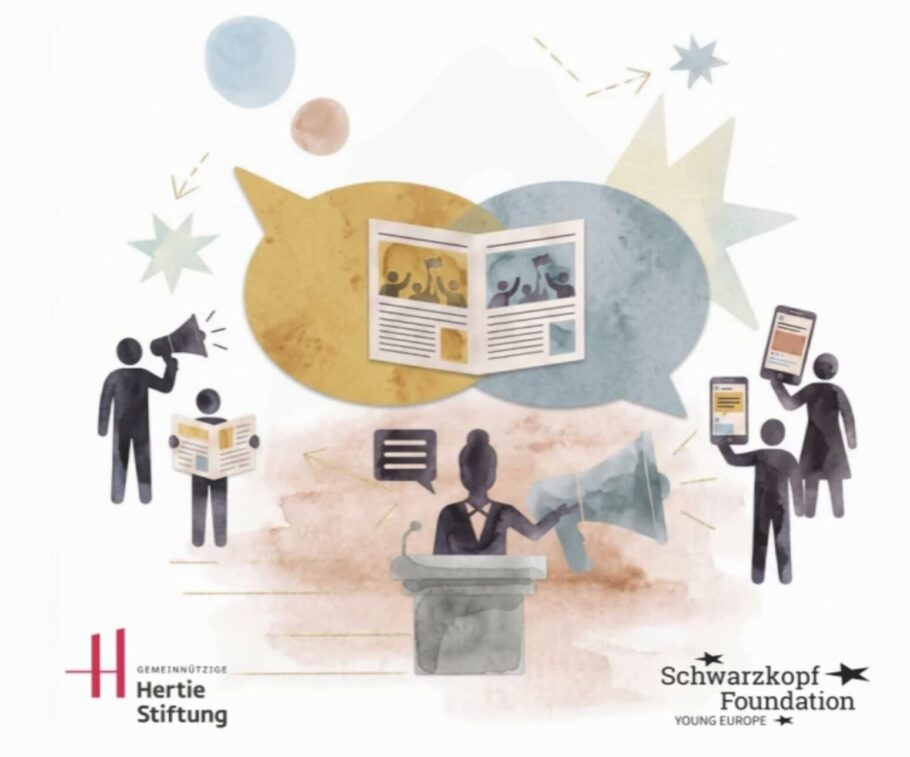
Political events do not speak for themselves. The way in which they are described shapes what people perceive as a problem, whom they trust, who is held responsible, and which political responses are deemed necessary. This workshop introduces participants to the role of narratives in politics and security. Through discussions, short exercises, and scenario-based group work, participants explore how different actors can interpret the same event in conflicting ways—and why some narratives gain influence while others do not. Participants also learn about the concept of “securitization,” analyzing how an issue can be framed as an urgent or existential threat that necessitates extraordinary measures. Finally, participants apply these insights to their own information environment: they reflect on the news sources they consume and develop practical approaches for more critically questioning politically relevant information.

Nora Hell
Key facts
Duration: 40 to 60 minutes without a break
Format: on site
Target group: students between 14 and 18 years old
About the material
The workshop was developed as part of our Fellowship 2026 in cooperation with Hertie Foundation. All materials are accessible as an Open Educational Resource.
The author and we as Understanding Europe would like to encourage teachers, young educators and educational multipliers to use it for their work.